
French fries are one of the few snacks that feel familiar no matter where you are in the world. Served across continents and cultures, they have moved far beyond being a side dish to become a universal snack. From Tokyo to Toronto, Mumbai to Madrid, French fries are a beloved snack and side dish, appreciated for their golden crunch and satisfying taste. Their global popularity is not accidental—it is rooted in their sensory appeal, and a unique ability to adapt to local tastes while remaining instantly recognisable.
From a simple accompaniment to an innovative dish topped with indulgent ingredients, fries have evolved into a global phenomenon. This blog explores the journey of French fries, examines why they are universally loved, and looks at how QSRs have contributed to shaping this culinary icon.
Origin of French Fries
The origin of French fries remains a subject of debate, with both Belgium and France claiming to be their birthplace. The most widely accepted narrative traces their beginnings to Belgium, where residents of the Meuse Valley are believed to have been frying potatoes as early as the late 17th century. According to manuscripts, villagers traditionally fried small fish, but during harsh winters—when rivers froze, and fishing became impossible—they turned to frying sliced potatoes instead.
France, meanwhile, played a significant role in popularising the dish. Known as pommes frites, fried potatoes gained visibility in the late 18th century when street vendors began selling them on Parisian bridges, particularly the Pont Neuf. Their popularity as a flavorful street food helped create their place in European culinary culture.
From Europe to the World
French fries’ journey from a regional speciality to a global favourite began in Europe but accelerated in the early 20th century. After World War I, American soldiers stationed in Belgium encountered the dish and brought the idea back to the United States. They reportedly referred to it as “French fries,” likely because French was the dominant language spoken in the region where they were served.
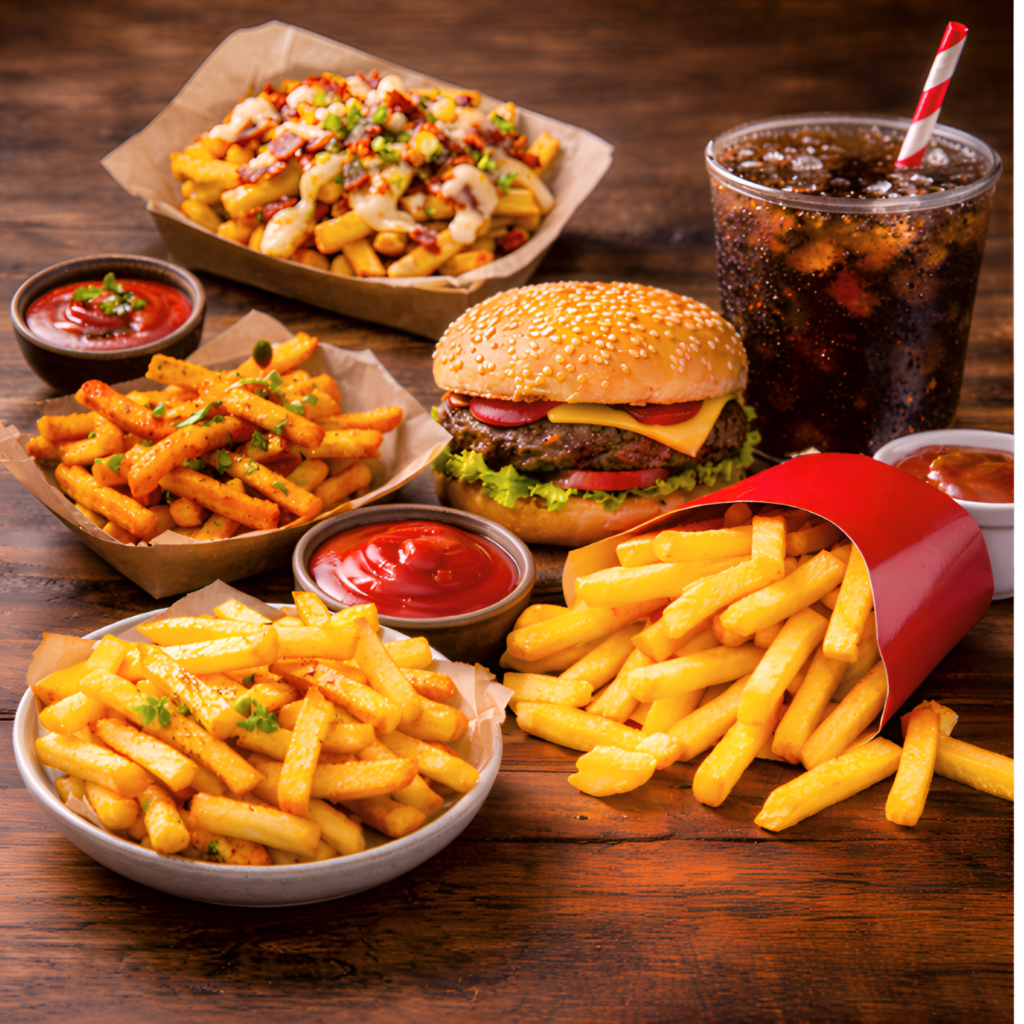
The rise of fast food in the mid-20th century marked a turning point in the global spread of French fries. In the United States, QSR chains elevated fries to an iconic status. As these chains expanded internationally, French fries became a familiar and trusted offering, even in markets with distinct food traditions.
The advent of technology and IQF (Individual Quick Freezing) ensured availability and transportation of French fries to more locations. It also helped ensure consistency in quality while enabling consumers to enjoy restaurant-style fries at home. This accessibility strengthened the position of French fries as a regular snack rather than an occasional indulgence.
Fries as a Canvas for Creativity

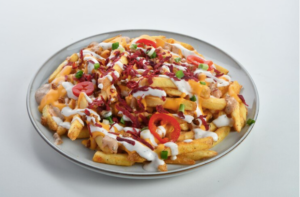
Over time, French fries evolved from a simple side dish into a versatile base for culinary creativity. Chefs and home cooks alike began experimenting with toppings, seasonings, and sauces, transforming fries into standalone dishes. Variations such as chilli cheese fries, loaded fries with cheese and bacon, and gourmet versions topped with truffle oil or parmesan illustrate how adaptable fries can be.
This flexibility has allowed fries to integrate seamlessly into diverse food cultures while retaining their core appeal.
Why French Fries Are Universally Loved
French fries resonate across age groups and cultures because they deliver a reliable sensory experience. The contrast between a crisp exterior and a soft, fluffy interior is universally appealing, while salt enhances the potato’s natural flavour without overpowering it. Their mild taste makes them easy to pair with a wide range of dishes, sauces, and seasonings.
Equally important is their social nature. Fries are easy to share, simple to eat, and suitable for both casual snacking and full meals—qualities that contribute significantly to their global acceptance.
A Universal Snack with Staying Power
French fries became the world’s most loved finger-food not because they are complex, but because they are delicious, reliable, and adaptable. From their modest beginnings in Europe to their worldwide presence through fast-food chains and frozen food innovations, fries have earned a permanent place in global food culture.
Their story highlights how simplicity, when combined with the right technology, brands, and cultural moments, can create a food that truly belongs everywhere.